By J.T. Wickham

“Every spring, a move,” Gabrielle Roy wrote in her 1945 classic Bonheur d’occasion (The Tin Flute). She was referring to Moving Day, Quebec’s annual game of musical chairs but with homes, held on May 1 back then and July 1 since 1973.
Moving Day has been a tradition in Quebec longer than Canada has been a country. But now, Moving Day is dying. As rents surge and apartment vacancies plummet in Montreal and across Quebec, more and more people are opting to stay put and avoid the hunt for a new home. In 2018, 18.6 percent of apartments in Quebec changed hands. Last year, only 11.6 percent did, representing a nearly 40 percent decline.
I, for one, mourn the day’s diminishing presence. As a twenty-something in Montreal in the 2010s, I moved six times in five years, usually on or around Moving Day. Each time, my roommates and I ferried our belongings by foot and bus across downtown, the Plateau, or Mile End, bringing with us a bevy of rolling suitcases and as much furniture as we could carry in pursuit of a place that was cheaper, bigger, or closer to the metro. Moving on July 1 was always a mad circus. But it was also an opportunity: a chance to snag free furniture left on the street by past tenants, or a chance at new beginnings with a new permutation of roommates. Fondly, I look back on the chaos and camaraderie it inspired.
There is something to be said about the decline of such a distinctly Quebecois tradition, especially when it’s the result of a housing crisis fueled by decades of public neglect. While turning to fiction can’t solve the problem, it can inspire solutions. With that in mind, here are five books that explore the caprices of the housing market here, now, and into the future.
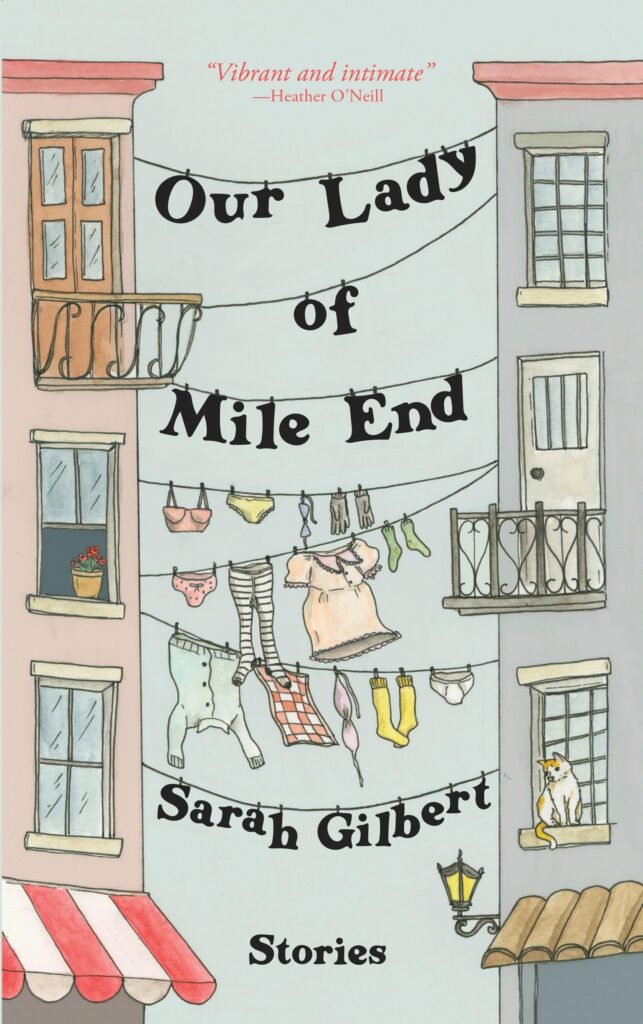
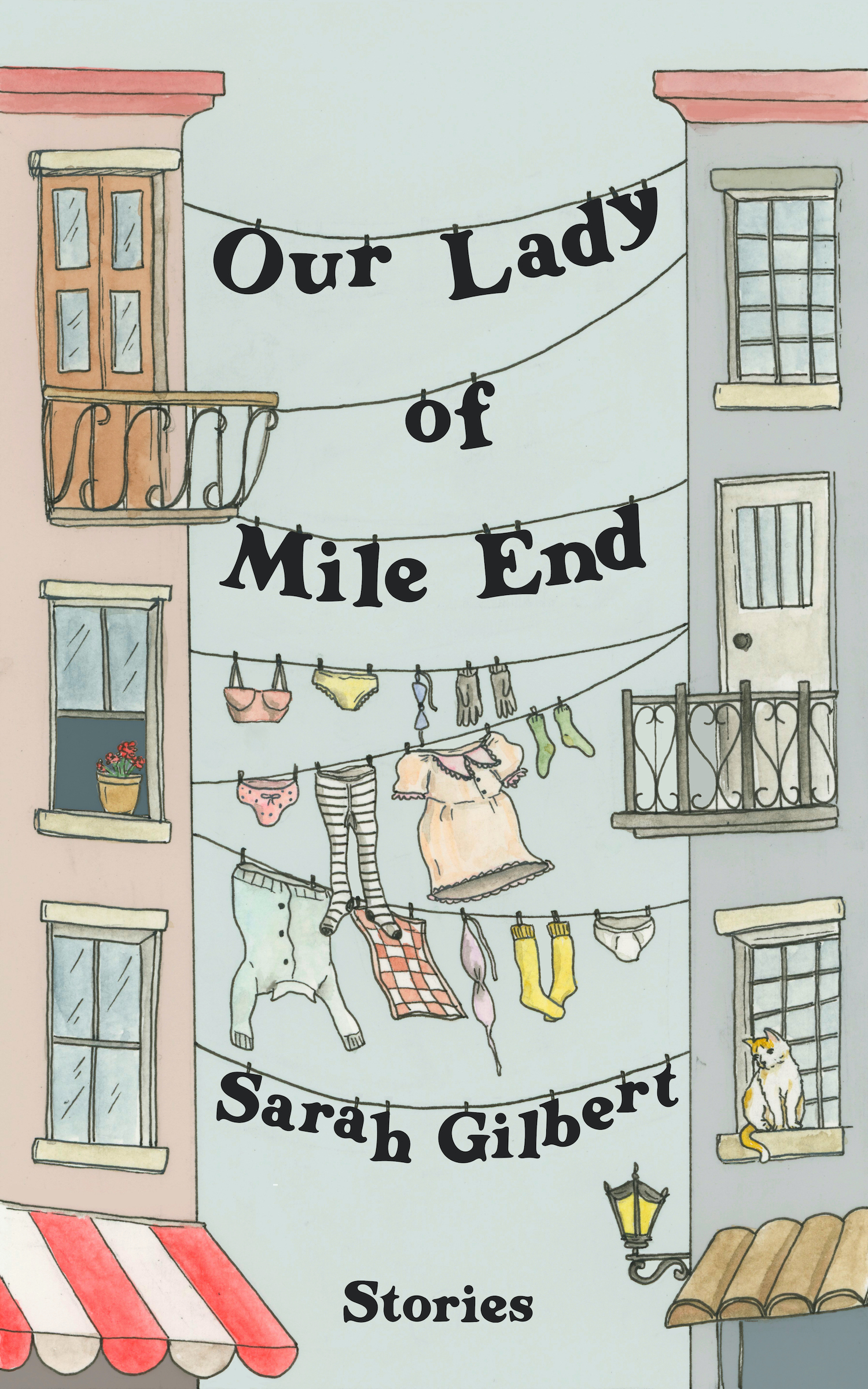
Our Lady of Mile End by Sarah Gilbert (Anvil Press, 2023)
Sarah Gilbert’s Our Lady of Mile End is a loving homage to a neighbourhood in flux. Across seventeen short stories, Gilbert presents a parade of Mile End residents—artists, students, parents, professors, landlords—grappling with the fact that their neighbourhood is changing, and the rent isn’t getting any cheaper. It’s a frank and compelling depiction of a neighbourhood’s evolution, both the good and the bad. And ultimately, like the neighbourhood at the centre of it all, this is a book brought to life by its quirky, delightful cast of characters.

May Our Joy Endure by Kev Lambert, translated by Donald Winkler (Biblioasis, 2024)
Quebec’s latest literary darling, Kev Lambert, released May Our Joy Endure to rave reviews here and abroad, winning France’s 2023 Prix Médicis. The novel’s premise? Architect-billionaire Céline Wachowski is on the cusp of realizing her crowning achievement: an architectural megaproject in the heart of her hometown of Montreal. But her aspirations soon run aground as public opinion turns against her for her disregard of the surrounding area’s social fabric, already frayed by years of gentrification. Brilliantly translated into English by Donald Winkler, this is a biting, incisive satire—at times hilarious, at others devastating, and always marked by Lambert’s unflinching gift for lyricism.
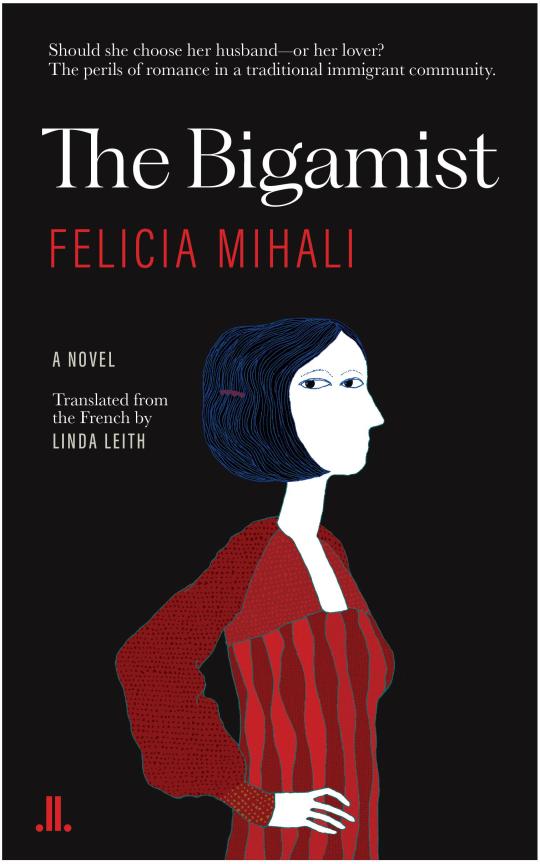
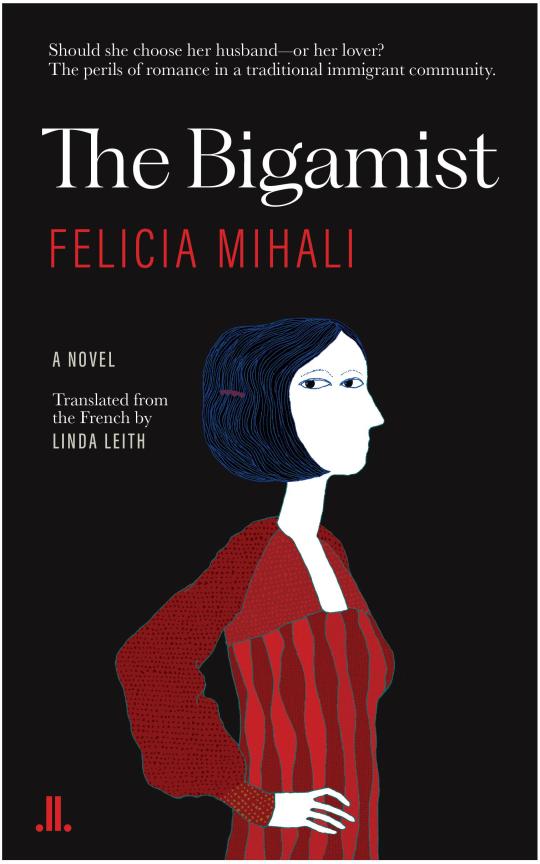
The Bigamist by Felicia Mihali, translated by Linda Leith (Linda Leith Publishing, 2025)
“In Bucharest,” writes Felicia Mihali, “an apartment would be furnished by successive generations, over a period of years. Here in Montreal, an apartment came together in days.” When The Bigamist’s unnamed narrator decides to move with her husband from Romania to Montreal to pursue a master’s in comparative literature, she finds her hopes dashed as she moves from one crummy apartment to another. Soon, she begins an affair with Roman, leaving her torn between two lovers and two countries to call home. Translated by Linda Leith, the English version expertly captures the dry humour of the narrator’s voice, as well as the deep sense of uprootedness at the heart of this and so many other immigrant stories.

Gesticulating Gentrification by Rick Trembles (Conundrum Press, 2025)
Rick Trembles’s graphic memoir Gesticulating Gentrification depicts an artist’s never-ending saga to keep his rent down and eke out a living. It chronicles his life over five homes in four areas: Saint-Henri, Saint-Lambert (where he moves briefly back in with his father), the Plateau, Saint-Henri again, and finally Parc-Ex, where he eventually resigns himself to accepting a higher-than-normal rent increase and becoming an “agent of gentrification.” Through it all, he faces myriad threats: house fires, cockroach and rat infestations, and shady landlords with shady practices. Written in a clipped, matter-of-fact style with Trembles’ signature punk aesthetic, this is a book that lays bare the ways in which urban revitalization efforts can fail those on the margins and empower those who exploit them. Trembles is an imperfect protagonist, but those imperfections help him avoid coming across as overly didactic, helping cast a bright light on a bleak subject.
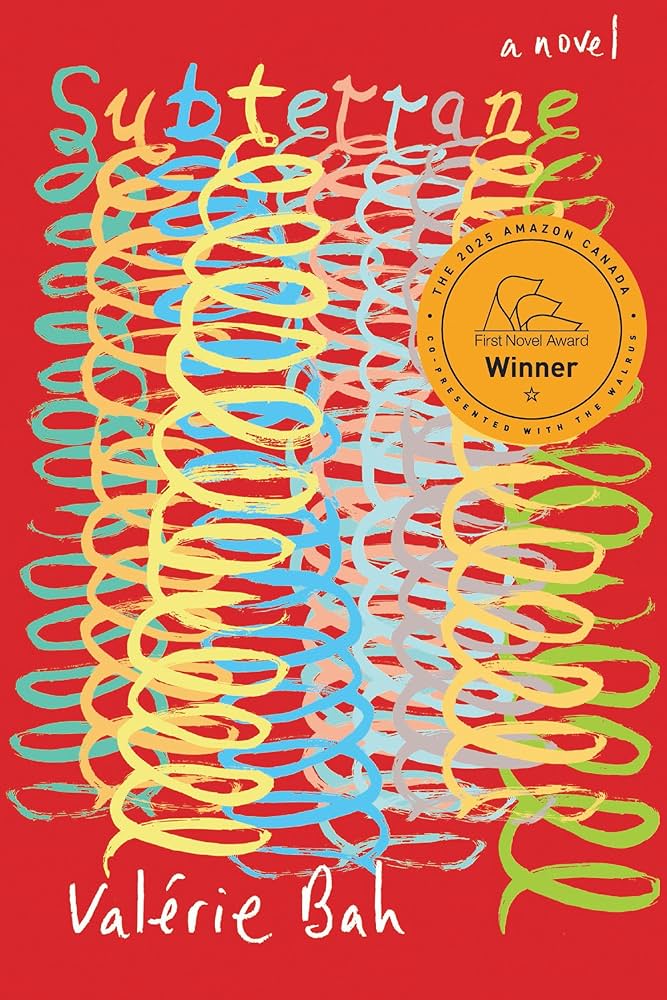
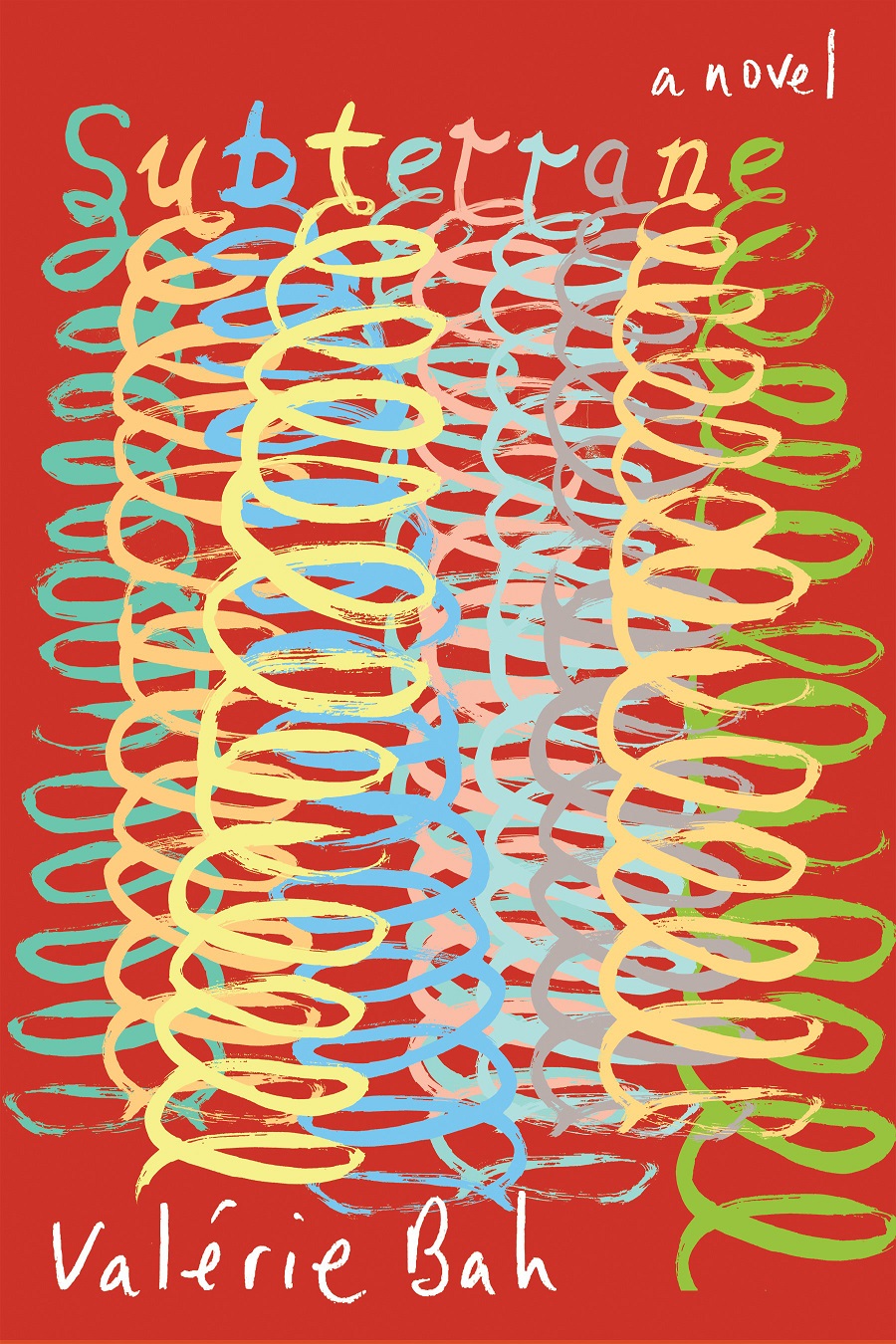
Subterrane by Valérie Bah (Véhicule Press, 2024)
Winner of the 2025 Amazon Canada First Novel Award, Valérie Bah’s Subterrane explores life in New Stockholm, a city where the divide between rich and poor is taken to its extreme. The spotlight hangs over Cipher Falls, a polluted wasteland that’s one of New Stockholm’s last affordable neighbourhoods, home to struggling artists, activists, and working-class folks—all pushed further and further to the city’s margins by the forces of capital. In some respects, Subterrane is reminiscent of H. G. Wells’s sci-fi classic The Time Machine and its exploration of class division. Yet in others, this is a startlingly original book that interrogates the many forms structural violence can assume—classism, racism, homophobia, transphobia—through the Black and Queer characters to whom it lends a voice.
Will Moving Day become a thing of the past? It’s unlikely it will disappear completely. But it might evolve, as it has in the past. After all, this isn’t the first housing crisis Quebecers have endured. Like us, the characters in Gabrielle Roy’s Bonheur d’occasion felt the stress of finding a home amid an acute shortage. They, too, complained about the cost of rent: seventeen dollars a month for a family of twelve.
J.T. Wickham is a writer, communications officer of the Quebec Writers’ Federation, and the web designer for Quist, a literary journal for Quebec youth. He lives in Montreal.
Illustration by Oliver Gadoury.